
The Role of UAVs in Pantheon
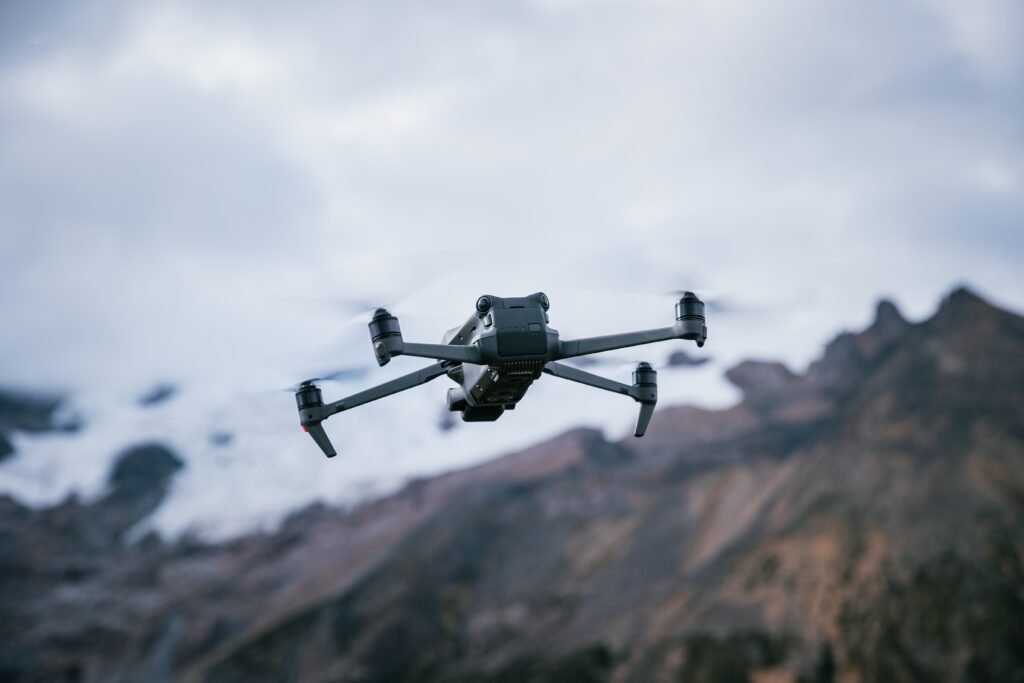
Pantheon, a post-disaster smart city digital twin, uses UAVs as virtual data acquisition tools to simulate real-world disaster response. UAV component simulates the collection of critical data such as aerial imagery, damage assessments, and hazard detection, which is integrated into the digital twin to create a realistic training environment. This enables first responders to practice risk mitigation, logistics coordination, and emergency communication, improving overall preparedness for real crises.
Key Features of the UAV Mission Simulation Component
Pantheon’s UAV component brings several advanced capabilities to the training ecosystem:
- Aerial Imagery Simulation
UAVs simulate scanning disaster-affected areas based on predefined flight plans. The imagery is enriched with data from impact models, including segmented damaged buildings and estimated populations at risk. This imagery provides responders with localized views of the disaster zone. - Damage Assessment Simulation
Leveraging disaster models, UAVs aggregate information on structural damage and blocked roads. This data helps responders practice prioritizing zones, assessing risks, and planning safe access routes, critical skills for real-world operations. - Casualty Localization
UAVs estimate casualty numbers and distribute them along road networks to mimic object detection. These inputs enable training in medical triage and extraction protocols, preparing teams for life-saving interventions. - Environmental Hazard Detection
Through virtual gas sensors, UAVs simulate detecting hazardous plumes and gas concentrations. This data models hazard zones, allowing responders to train in containment strategies, protective measures, and evacuation planning.
Why It Matters
By integrating UAV-driven simulations into Pantheon, we empower emergency responders with a data-rich training environment. This approach bridges the gap between theory and practice, ensuring that when disaster strikes, teams are equipped to act swiftly and effectively.