Project
Current Challenges
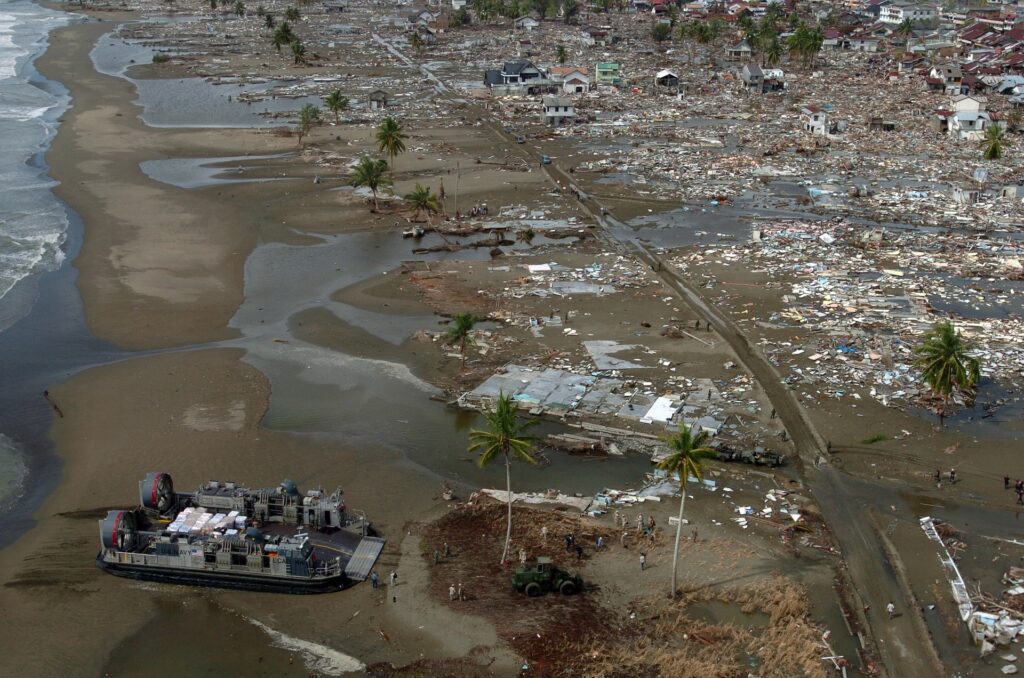
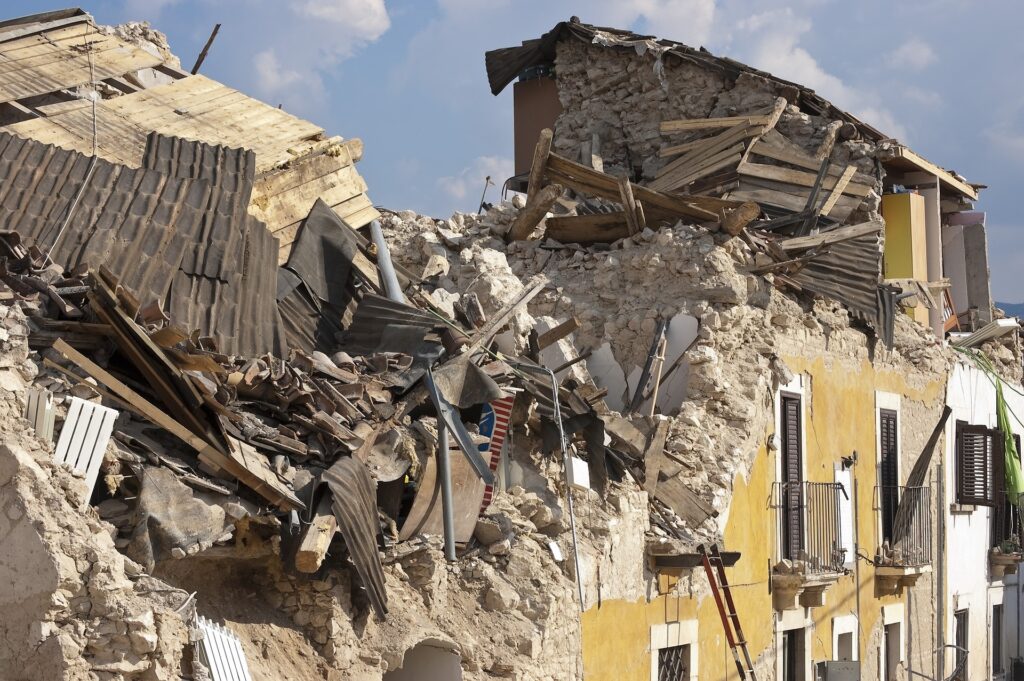
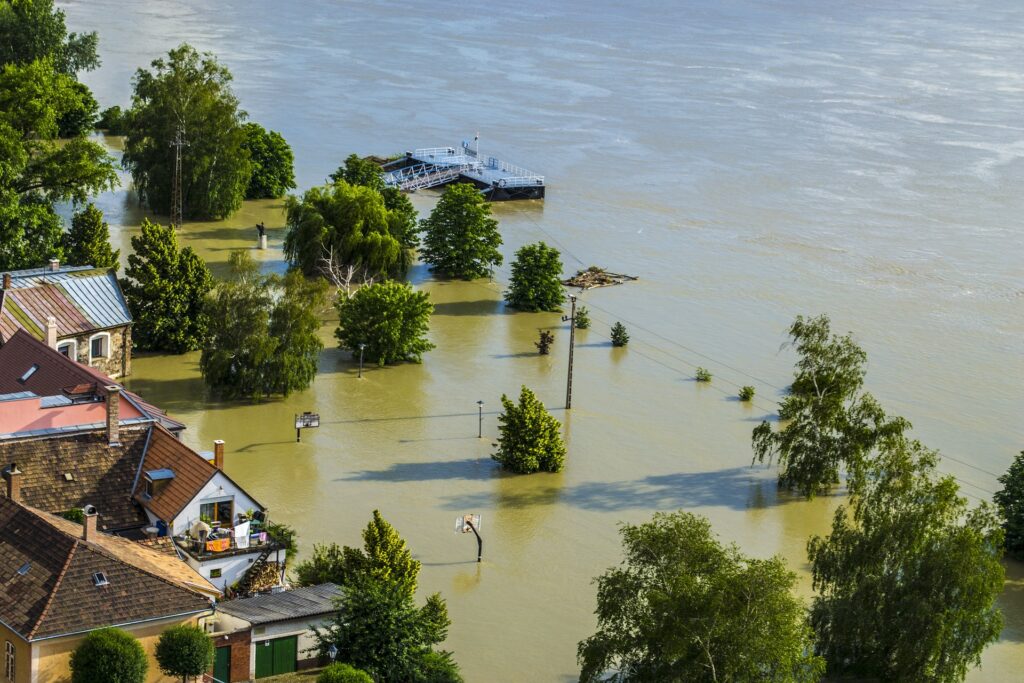
In the past two decades, the international disasters database EM-DAT has recorded 7,348 natural disasters resulting in the loss of 1.23 million lives and affecting over 4 billion others. These environmental catastrophes have caused a total of €2.77 trillion in economic damages worldwide, without even including biological or technological disasters.
At present, the field of community resilience management is diverse yet fragmented, as current methods are not readily applicable or measurable. Collaboration for successful practical implementation of an ecosystem of tools in at-risk communities is not currently promoted, and systematic research and development of policies are stalled.
The PANTHEON approach
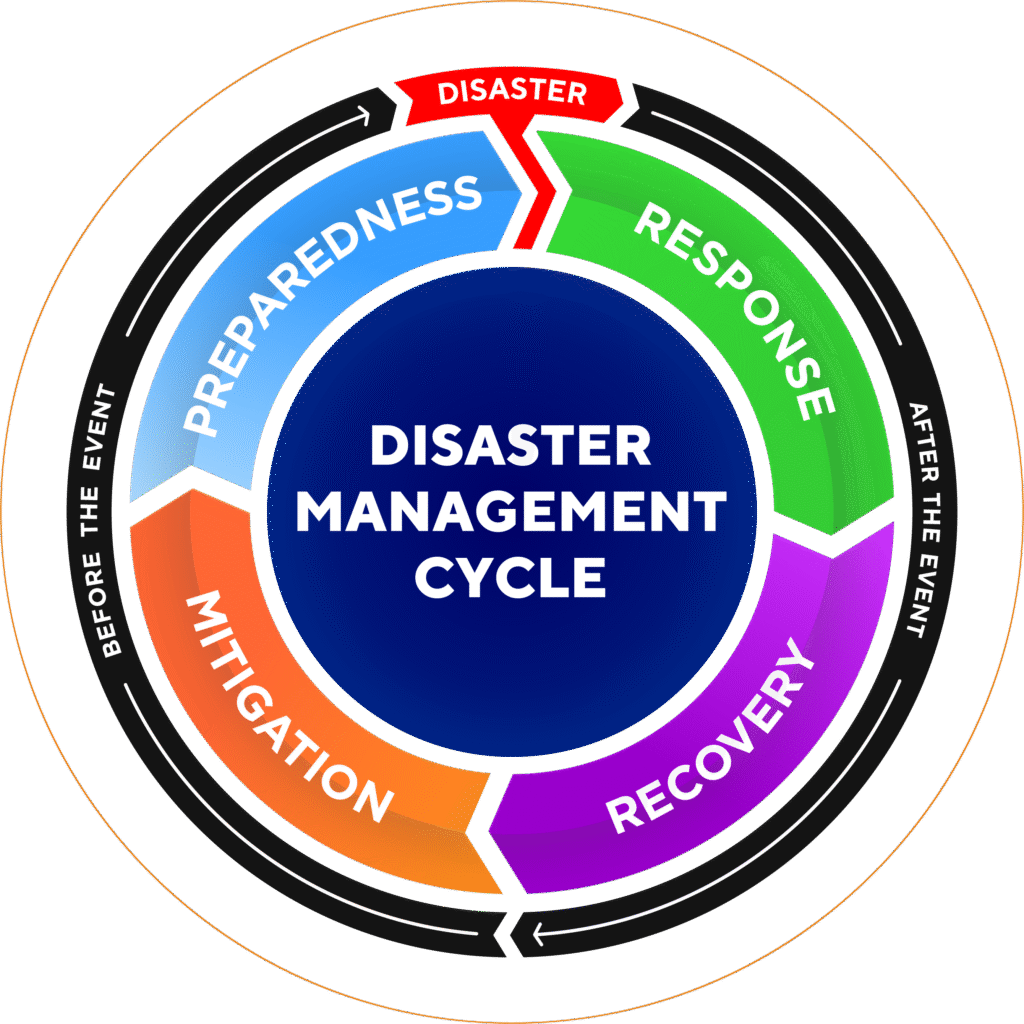
The PANTHEON consortium will focus on developing a Community-based Digital Ecosystem for Disaster Resilience utilising Smart City Digital Twin (SCDT) technology and other emerging innovations to…
- ✓ advance the existing risk assessment methods
- ✓ mitigate potential vulnerabilities
- ✓ build a strong community disaster resilience foundation
To achieve the above improvements, PANTHEON will provide the following:
A smart city digital twin environment entailing components suitable for simulations, training, and evaluation of the behaviour of sub-systems, threats and the human factor.
An early Detection and Situational awareness environment that can assist authorities with being alert about imminent incidents, even in remote and hazardous locations.
An integrated intelligent subsystem employing collaborative sensing from earth observations and drone technology.
The PANTHEON Platform
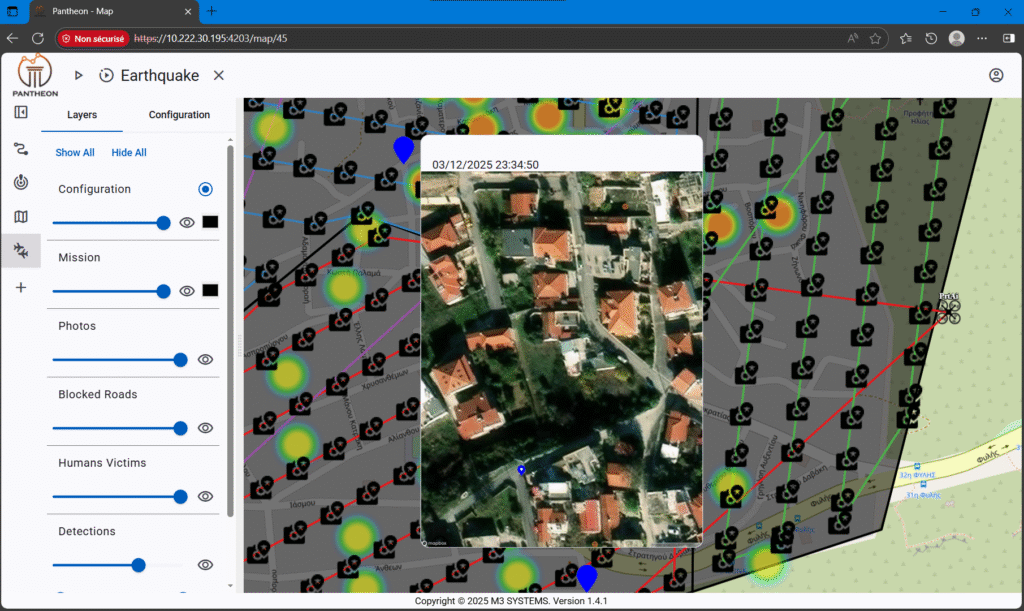
PANTHEON Human–Machine Interface (HMI)
The PANTHEON Human–Machine Interface (HMI) is a web-based platform that enables end users to configure, execute, and analyse multi-hazard simulations across the project’s four scenarios: human disaster and heat wave in Vienna, and forest fire and earthquake in Athen.
The platform supports both planning and training activities: it allows authorities to test alternative scenarios to adapt resources and city organization, and to train first responders by simulating realistic emergency situations with available resources. By combining an intuitive interface with advanced modelling capabilities, the HMI supports preparedness, risk assessment, and informed decision-making.
If you are interested in testing the platform, please contact us at Andrei.Alexandrescu@simavi.ro to request access.
Project Objectives